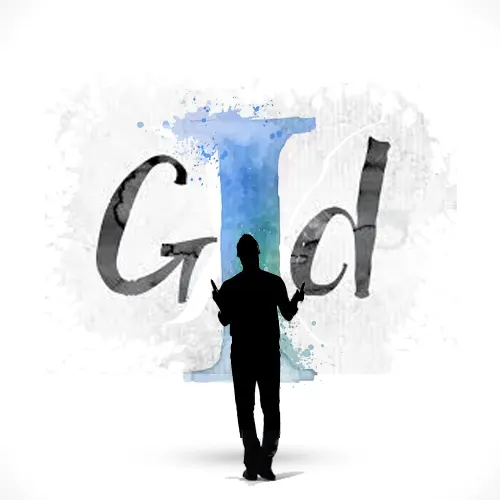
There Is No “I” in God
In HIs IMage. For His Purpose. That's why life matters.
Abiding in God’s Design for Life
“Therefore God also gave them up to uncleanness, in the lusts of their hearts, to dishonor their bodies among themselves, who exchanged the truth of God for the lie, and worshiped and served the creature rather than the Creator, who is blessed forever. Amen.” (Romans 1:24–25)
The book of Romans teaches that we were created to live for and worship God. Humanity—the branches—was made to draw life from the Vine, Jesus Christ. Our very existence is rooted in God, yet we chose instead to live for ourselves and to worship the created rather than the Creator. When a branch turns to itself or to another branch for life, it withers, for branches cannot sustain themselves. In the same way, humanity cannot be its own god. This exposes something deep within us—a resistance to remaining connected to God, a refusal to deny ourselves and abide in the true Tree of Life. Instead, we search for meaning apart from the very Source who gives it.
“For this reason God gave them up to vile passions. For even their women exchanged the natural use for what is against nature. Likewise also the men, leaving the natural use of the woman, burned in their lust for one another—men with men committing what is shameful, and receiving in themselves the penalty of their error which was due.” (Romans 1:26–27)
In this passage, the Apostle Paul confronts the sin of homosexuality, yet beyond the act itself lies a deeper spiritual truth. God uses this as a striking image of what happens when humanity chooses self over surrender—when we live for our own desires rather than for Him. By rejecting the One we were created to worship, we turn inward and begin to worship one another, exchanging the truth of God for a lie. This rebellion stirs within us a distorted longing—to be loved and fulfilled apart from God—which corrupts His perfect and holy design. In doing so, we sever ourselves from the Source of life, corrupt what was meant for good, and invite the decay of sin and death.
As I’ve walked in my faith, I’ve come to see God’s hand in creation more and more clearly. Beneath the surface of everything He made lies His divine design. The relationship between the branch and the vine reflects our connection with Jesus (John 15:5). The bond between parents and children mirrors our relationship with God as His beloved sons and daughters. The caterpillar that transforms into a butterfly, or a seed that must die to bring forth a flower, beautifully illustrates the process of being born again. Everywhere I look, I see signs that point to Him and reveal His purpose for us—and one of the most profound of these signs is found in the covenant of marriage between a man and a woman.
Marriage is one of God’s clearest pictures of holy design. The husband, as the head, represents Christ—the Groom who is the head of the Church, His bride. The wife, in her loving submission, reflects the Church’s devotion to Christ. The husband is called to love and lay down his life for his wife, just as Christ did for us. Together, their union brings forth life—children who, like branches rooted in the Vine, continue to grow in the same Source. This is the Tree of Life in motion—a living reflection of how true, heavenly life flows from unity with God’s divine order.
God’s message in Romans is not solely about homosexuality; it’s about something much deeper. It is about what happens when we choose self over surrender—when we cut ourselves off from His design. I once heard a story of a man who asked a Christian, “Are we supposed to deny our desires and live celibate?” The believer answered, “We are to deny sin, because it goes against God—and homosexuality is sin.” But many stop there and miss the heart of the message. The greater truth God is revealing is that we are not merely called to deny sinful acts—we are called to deny ourselves entirely. For not denying ourselves is sin, because self stands in opposition to God.
There is no “I” in God. The self must die so that Christ may live in us (Galatians 2:20). Only then can we truly abide in Him—the true Vine, the Tree of Life—and experience the design that leads to real, eternal life.
God is the Vinedresser—the only One who knows how to prune, train, cultivate, and sustain the Tree of Life. The purpose of every branch is to abide in the Vine, for apart from Him we can do nothing. Just as there is no “I” in God, there can be no “I” apart from God within the design of the Tree of Life. He alone is all-knowing, the source of truth, love, and life itself.
The branches, however, are finite. Our knowledge is limited, our understanding partial, and whatever love we possess is but a reflection of the Creator’s touch—the grace and measure of faith He has given us. When we refuse to deny ourselves—when we place “I” before God—we disrupt His design, corrupt what is holy and good, and sever the flow of life that comes only from Him.
God’s Kingdom—Heaven—is the Tree of Life that endures forever. Jesus is the Head, the Groom; we are the branches, His Bride—all united under one Spirit, one mind, and one Father, the Vinedresser.
Yet I hear many say, “I want this,” “I deserve this,” “I choose this.” But God calls us to deny that very part of ourselves if we desire to be part of His Tree of Life. He invites us to trust that He knows what He is doing, for there is no one else worthy of such trust.
On this side of Heaven, we may need to deny many things—not only sin, but everything rooted in self. Just because something is lawful does not mean it is beneficial. Our reward is not found in the temporary desires of this world, but in the eternal promise awaiting us in Heaven, where we will be glorified and forever joined to the Tree of Life.
Summary
- God alone is the source of true, lasting transformation; our role is to abide, submit, and point others to Him.
- Choosing self over surrender severs us from the Vine and corrupts God’s design.
- Salvation and spiritual fruit are the work of the Holy Spirit—only God adds to His Church and assures the heart.
- True worship, growth, and obedience flow from dependence on God, not human will or manufactured emotion.