Disciples First, Church Second
The body of Christ
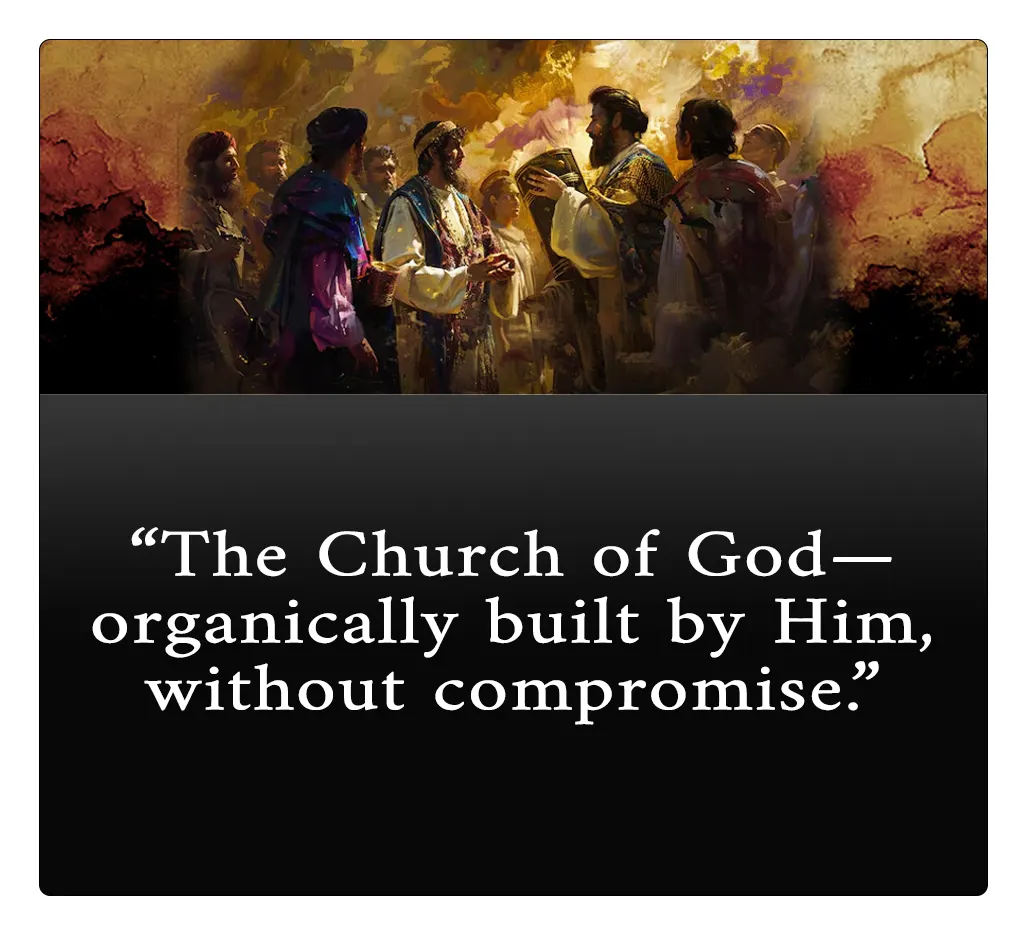
A Call to Return to the Great Commission
Jesus’ final words to His followers were not instructions on how to organize services, construct buildings, or establish institutions. His command was far simpler and far more radical:
“Go therefore and make disciples of all nations, baptizing them in the name of the Father and of the Son and of the Holy Spirit, teaching them to observe all that I have commanded you” (Matthew 28:19–20).
Notice what He did not say. He didn’t tell His disciples to “go and build churches.” He didn’t say, “go and invite people to a service.” His focus was crystal clear—make disciples. A disciple is more than a convert, more than a church attendee, more than a name on a membership roll. A disciple is a follower of Jesus who learns His ways, obeys His teachings, and reflects His life.
The Church as the Fruit, Not the Goal
Biblically speaking, the church is not a building or an institution—it is the gathering of disciples. The word translated “church” in the New Testament (ekklesia) literally means “the called-out ones.” These are people called out of the world and into a living relationship with Christ and one another.
When we flip this order—focusing on church-building instead of disciple-making—we risk reducing the church to an institution, a weekly event, or a brand to maintain. But when we focus on discipleship, the church grows naturally, powerfully, and authentically.
A Picture from Acts
The book of Acts shows us what this looked like in practice. When three thousand people believed in Jesus at Pentecost, they were not sent off to “attend church.” Instead, they immediately became part of a living community of disciples:
“They devoted themselves to the apostles’ teaching and to fellowship, to the breaking of bread and to prayer… All the believers were together and had everything in common… They broke bread in their homes and ate together with glad and sincere hearts, praising God and enjoying the favor of all the people. And the Lord added to their number daily those who were being saved” (Acts 2:42–47).
The early church grew organically—not because they focused on church growth strategies, but because they focused on disciple-making.
The Danger of Reversing the Order
When the focus shifts from disciple-making to church maintenance, the church can become an institution rather than a Spirit-filled body. Attendance replaces obedience. Programs replace prayer. Numbers replace transformation. In time, a church may appear busy and strong but lack the power, love, and life of true discipleship.
Jesus did not die for buildings, budgets, or branding. He gave His life to redeem people who would follow Him wholeheartedly and carry His mission to the ends of the earth.
Returning to the Great Commission
The call of Christ is still the same today:
When we live out the Great Commission, the church doesn’t need to be “built”—it is born, alive, and growing because disciples are being made.
Conclusion
The church is not the starting point; discipleship is. When disciples are made, the church will flourish as the Spirit gathers them into a living body. But when we prioritize building institutions over forming disciples, we risk losing the very heart of what Jesus commanded.
Let us return to the order Jesus gave: disciples first, church second. When we do, we will see communities like those in Acts—alive, Spirit-filled, and fully devoted to Christ.