What Saves a Person
The Path to Salvation
So many people have a convoluted understanding of what truly saves a person. As humans, we tend to complicate what God has made simple. Much of the confusion comes from our desire to play a part—to feel some sense of control over salvation. Added to this are different teachings, traditions, and misunderstandings that create layers of complexity, especially when salvation is confused with spiritual growth. Yet the truth remains: what God designed to be received by grace is often tangled by human effort.
“For it is by grace you have been saved, through faith—and this is not from yourselves, it is the gift of God—not by works, so that no one can boast.” (Ephesians 2:8–9)
It is a simple reality, so to keep it clear, let’s lay aside the misconceptions of what does not save a person.
The Law
The Law cannot save you. When God gave the Law, it was to reveal sin—not to provide a way of salvation through human effort. Scripture says, “through the law we become conscious of sin” (Romans 3:20). The Law exposes sin and shows our need for a Savior, but it does not give life.
Religion
Religion itself cannot save you. While religious practices can discipline and shape our walk with God, they are not the source of salvation. In the Old Testament, sacrifices, festivals, and ceremonial laws were shadows pointing forward to Christ (Colossians 2:17). They revealed humanity’s inability to make itself righteous and our need for a greater sacrifice.
The Bible
The Bible does not save you. Reading it, studying it, memorizing it, or meditating on it—none of these actions can save a person. Jesus said, “You study the Scriptures diligently… yet you refuse to come to Me to have life” (John 5:39–40). The Scriptures point to Him, but they are not a substitute for Him.
Church
Attending church does not save a person. Many will sit under teaching, serve faithfully, and still miss salvation. Even religious activity cannot replace relationship. Jesus warned that not everyone who says “Lord, Lord” will enter the Kingdom, even if they did many works in His name (Matthew 7:21–23).
Miracles, Signs, and Wonders
Performing miracles, signs, or wonders does not prove salvation. Jesus Himself said that some will claim to have done mighty works in His name, yet never truly belonged to Him (Matthew 7:22–23). Gifts and manifestations are not the same as saving faith.
Culture
Being raised in a Christian home or surrounded by church culture does not save you. Faith is not inherited. Each person must come to Christ personally. “A man is not justified by works of the law” (Galatians 2:16). Familiarity with God is not the same as knowing Him.
Perfection and Sinlessness
God is holy and perfect, and we are not. While it is true we need a perfect Savior, perfection is not the requirement for salvation. Even if we could be perfect, it would not save us. God is not looking for people who can make themselves righteous, but for those who recognize their need for Him and trust Him. “All have sinned and fall short of the glory of God” (Romans 3:23).
Works
No human effort or good work can save a person. Salvation is not earned. “Not by works of righteousness which we have done, but according to His mercy He saved us” (Titus 3:5).
What Can Save a Person?
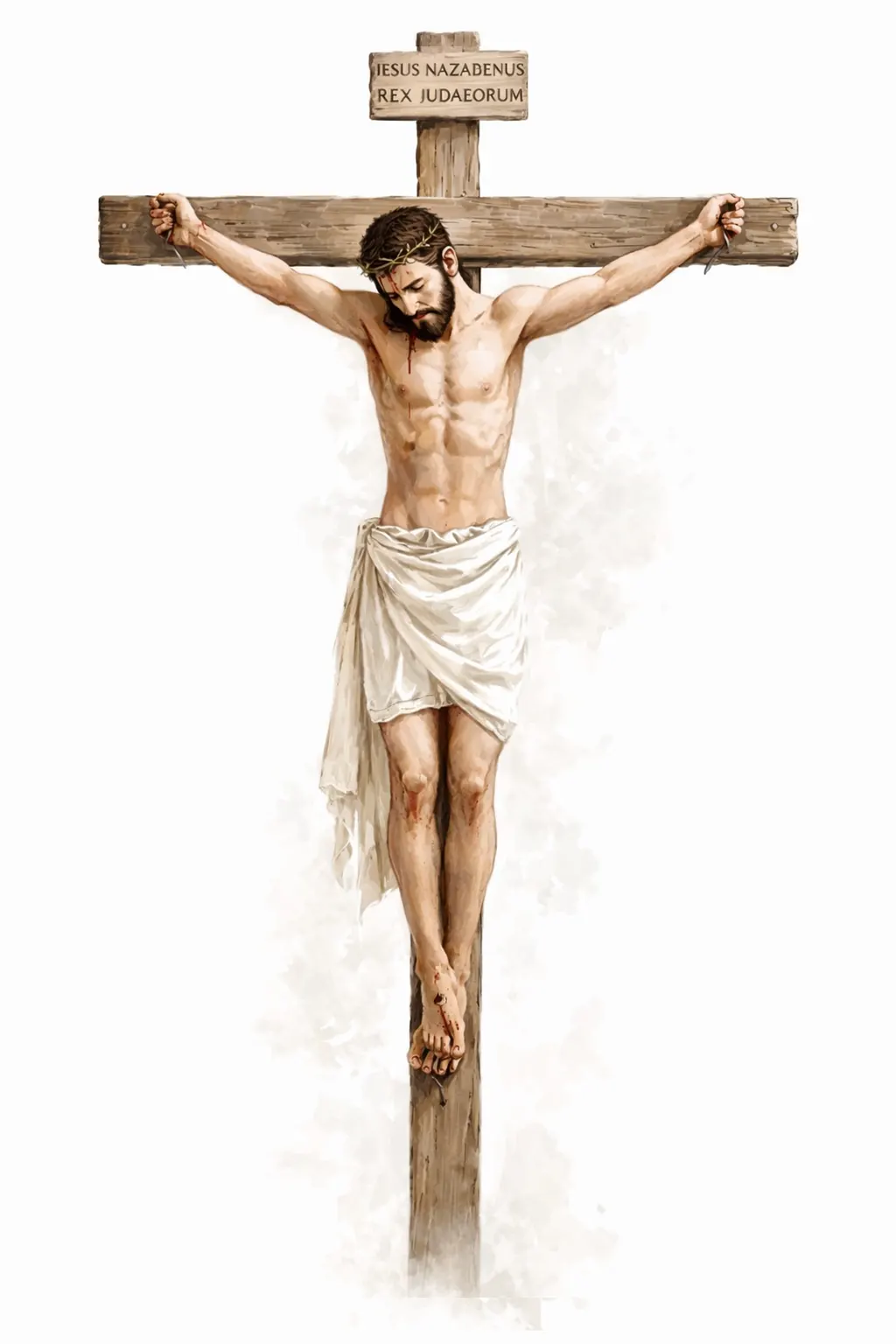
Only Jesus Christ.
Jesus said, “I am the way, the truth, and the life. No one comes to the Father except through Me” (John 14:6).
And He gives us a picture of this truth:
“I am the vine; you are the branches. If you remain in Me and I in you, you will bear much fruit; apart from Me you can do nothing.” (John 15:5)
We are branches, and He is the vine. A branch cannot produce life on its own. It does not matter how “good” it looks, how active it is, or how religious it appears—if it is not connected to the vine, it has no life. Everything flows from remaining in Him.
How Do We Come to the Vine?
By turning to Jesus in repentance and faith—asking Him for forgiveness of sin, turning away from sin, and turning toward Him. As we abide in Him, we move from death to life.
“Repent and believe the good news!” (Mark 1:15)
Stop striving for what cannot save you, and turn to the One who can. When you truly encounter Jesus, He brings life that only He can give. Salvation is not earned, inherited, or performed—it is received, by grace, through faith in Jesus Christ alone.